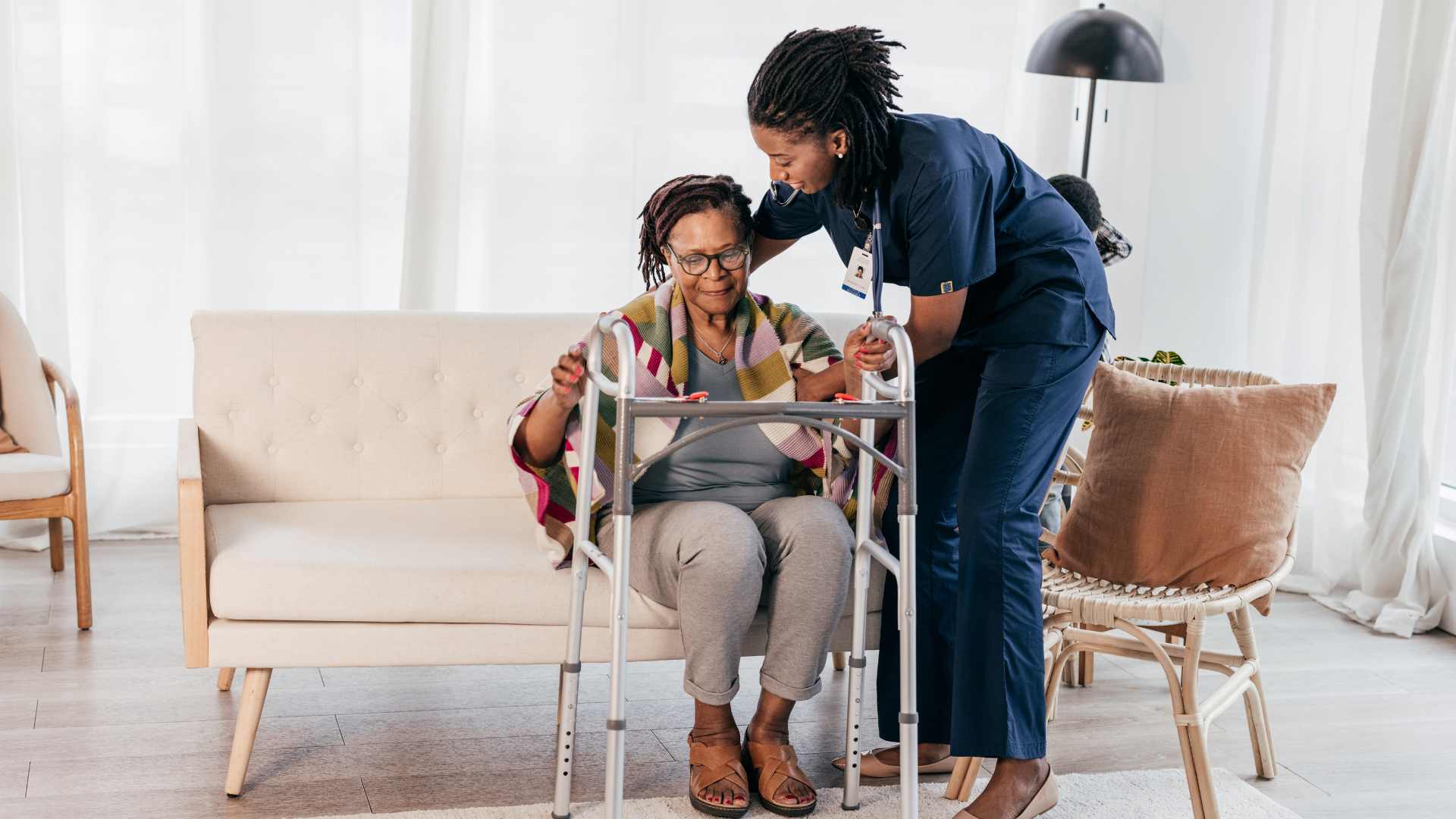
Home Care vs Private Duty Nursing
Understanding the Difference
When families begin searching for support for an aging parent or loved one, one question often comes up: What is the difference between home care and private duty nursing?
At first glance, the two sound similar. Both bring care directly into the home. Both provide comfort for families. Both help older adults stay safe and comfortable where they most want to be, at home.
But the skill level, services, and purpose of each are very different. Choosing the right option can save families stress, money, and prevent unnecessary hospital visits.
This guide will break down home care vs private duty nursing, explain what each includes, and help you know which is the right fit for your family’s needs.
What is Home Care?
Home care, sometimes called non medical home care services, focuses on everyday support. It is not about treating illnesses or performing medical procedures. Instead, it is about helping seniors live comfortably at home with dignity and independence.
Examples of Home Care Services:
- Assistance with bathing, grooming, and dressing
- Meal preparation and feeding support
- Light housekeeping and laundry
- Transportation to appointments
- Companionship and conversation
- Medication reminders (but not administration)
In other words, home care helps with daily living activities. It eases the burden for families while ensuring older adults do not feel isolated or unsafe.
Who Benefits Most from Home Care?
- Seniors who want to age in place but need a little extra help
- Adults with memory challenges who need supervision but not medical care
- Families who want reassurance their loved one is not alone
- Those recovering from surgery who need temporary support
Home care works when the need is for assistance, safety, and companionship, not complex medical care.
What is Private Duty Nursing?
Private duty nursing, sometimes called skilled nursing care at home, is very different. This type of care is delivered by licensed nurses (RNs or LPNs). These professionals provide medical treatment in the home that would normally require a clinical setting.
Examples of Private Duty Nursing Services:
- Medication administration and injections
- Wound care and post-surgical monitoring
- IV therapy and catheter management
- Chronic illness management such as diabetes, COPD, or heart conditions
- Vital sign monitoring and documentation
- Patient and family health education
This is clinical-level care, provided under the direction of medical training and licensure. Unlike home care, which focuses on daily comfort, private duty nursing focuses on health management and treatment.
Who Benefits Most from Private Duty Nursing?
- Seniors with complex or chronic health conditions
- Patients recovering from surgery or injury with medical needs
- Adults who need frequent monitoring to avoid hospital visits
- Families who want skilled oversight in addition to daily support
Private duty nursing is appropriate when medical expertise is required to keep someone safe at home.
Companion Care vs Skilled Nursing
Families often ask about the difference between companion care vs skilled nursing. Think of it this way:
- Companion care (part of non medical home care services) helps with social and household needs.
- Skilled nursing (private duty nursing) addresses medical conditions.
Both can overlap in supporting a senior, but they serve very different purposes.
Key Differences: Home Care vs Private Duty Nursing
Here is a side-by-side look at the two types of services:
| Category | Home Care (Non-Medical) | Private Duty Nursing (Skilled Care) |
| Provider | Caregivers, aides, companions | Licensed Nurses (RNs, LPNs) |
| Focus | Daily living assistance | Medical treatment and monitoring |
| Examples of Services | Meal prep, bathing, companionship, light housekeeping | Medication administration, wound care, chronic illness management |
| Skill Level | Non-medical training | Professional medical training |
| Who It Helps | Seniors needing help at home but not medical care | Seniors or patients with complex medical needs |
| Cost Consideration | Generally lower cost | Higher cost due to medical expertise |
When to Choose Home Care
You should choose home care services when:
- Your loved one is mostly independent but needs help with daily tasks
- Safety and companionship are the biggest concerns
- They want to stay social and active without feeling like a burden
- No ongoing medical treatments are required at home
Example: A mom who lives alone, no longer drives, and struggles with cooking but is otherwise healthy would benefit from a home care caregiver.
When to Choose Private Duty Nursing
You should choose private duty nursing when:
- Your loved one needs medication injections, wound care, or IV support
- They have a chronic illness that requires monitoring
- They recently left the hospital and need recovery oversight
- Their condition could worsen quickly without skilled attention
Example: A dad recovering from heart surgery who requires daily blood pressure checks and medication management would benefit from a private in-home nurse.
Can You Combine the Two?
Yes, and many families do. In fact, the right solution often blends in home care for seniors with skilled nursing care at home.
For example, a nurse may visit in the morning to administer medication and monitor vital signs. Later, a home care caregiver may spend the day providing companionship, meals, and light household help.
This flexible approach keeps care both medical and personal. Families can choose the level of support that fits their loved one’s unique needs.
Cost Considerations
Families should also understand the financial difference.
- Home Care: Usually more affordable. Paid by the hour or live-in arrangement. Focused on lifestyle support.
- Private Duty Nursing: Higher cost. Paid privately, as most insurance does not cover it. Reflects the medical skill required.
Since both are typically privately paid, affluent families often choose to invest in these services to avoid the institutional setting of nursing homes.
How to Decide What is Right for Your Family
When faced with the decision of home care vs private duty nursing, ask these key questions:
- Does my loved one need medical procedures at home?
- Or do they simply need help with daily tasks?
- How much independence do they want to maintain?
- How much support can a family provide, and what gaps need filling?
- Is companionship just as important as medical oversight?
If you are unsure, start by talking with a home care business that offers both. A trusted advisor can assess your loved one’s needs and recommend the right blend of support.
Conclusion: The Right Care Brings Comfort
Choosing between home care and private duty nursing does not have to feel overwhelming. Think of it as matching the right level of support to your loved one’s needs.
- Home care is about safety, companionship, and assistance with daily living.
- Private duty nursing is about skilled medical care delivered at home.
- Many families combine both for stronger support.
The right choice ensures comfort, safety, and dignity for your loved one.
How Living Care Home Services Can Help
At Living Care Home Services, we have spent more than 20 years guiding families through these decisions. As a family-owned home care company in Bucks County, PA, we offer both non medical home care services and private duty nursing. That means we do not just fill a shift. We listen, match the right caregiver or nurse, and design care that fits your unique situation. We take the worry out of caring for someone you love.
Call us today at (215) 348-4008 to learn how we can support your family.